What is Web Hosting and Why Does Your Business Need It?
In today’s digital age, understanding web hosting is essential for every business. According to web hosting expert John Smith, "Your website is only as strong as its hosting." This highlights the critical role web hosting plays in defining a business’s online presence.
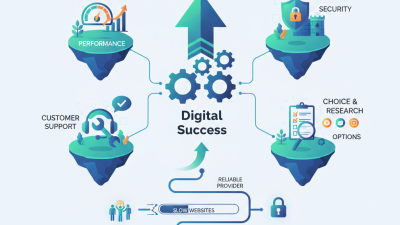
Web hosting provides the backbone for any website, influencing performance, security, and reliability. Without a robust hosting solution, businesses face potential downtimes and slow load speeds. These issues can drive customers away, impacting revenue. Many entrepreneurs underestimate the importance of choosing the right web hosting provider. This can lead to serious challenges later on.
Moreover, with the increasing threats to online security, the need for reliable web hosting has never been greater. A trustworthy provider offers security features and customer support, which are vital for maintaining a successful online platform. Therefore, investing in quality web hosting is not just a technical consideration; it’s a fundamental aspect of business strategy.

What is Web Hosting? A Comprehensive Overview for Businesses
Web hosting is a service that allows businesses to make their websites accessible on the internet. It involves storing your website files on a server that is connected to the web. Without web hosting, your site remains unseen. This is crucial for businesses, as an online presence can enhance visibility and reach.
Tip: Choose a hosting provider with strong security features. This helps protect your site from attacks. Regular backups are also essential. They ensure your data remains safe.
When evaluating web hosting options, consider your website’s needs. Are you running a simple blog or an e-commerce site? Different hosting plans cater to different requirements. Shared hosting may be economical, but it might not support high traffic. Opting for a more robust solution can prevent downtime.
Tip: Assess the customer support offered. Quick and knowledgeable assistance can resolve issues faster. Many businesses underestimate the importance of reliable support. If problems arise, timely help can keep your operations running smoothly.
In the end, web hosting is not just a technical necessity; it's a fundamental piece of your business strategy. Investing time and resources into selecting the right hosting service can lead to better performance and growth. It is worth reflecting on how your choice aligns with your business goals.
Types of Web Hosting Services: Shared, VPS, Dedicated, and Cloud
When it comes to web hosting services, understanding the differences between various types is crucial for your business.
Shared hosting is the most common option. It’s affordable and suitable for small websites. However, performance can be an issue due to resource sharing among multiple sites. If you find yourself outgrowing shared hosting, it's worth considering a Virtual Private Server (VPS).
VPS offers more stability and control. You get a dedicated portion of a server's resources. This means better performance and improved security. However, the cost is higher, and managing a VPS requires more technical knowledge. For larger businesses or high-traffic websites, dedicated hosting can be the answer. It provides complete server resources to a single client. This level of service allows maximum speed and reliability but may not be budget-friendly for every business.
Cloud hosting is gaining popularity due to its flexibility and scalability. Resources are spread across multiple servers, allowing for easy upgrades as needed. This means you only pay for what you use. However, managing a cloud setup can feel complex. Understanding these hosting types helps in choosing the right one for your business needs. Each has its own pros and cons, and careful consideration is necessary for long-term success.
Key Features to Look for in a Web Hosting Provider
When choosing a web hosting provider, several key features can significantly impact your business's online presence.
Reliability stands out as a primary factor. Research shows that
99.9% uptime is essential for avoiding revenue loss.
Downtime can lead to lost sales and damage your brand's reputation. Thus, selecting a provider with a reliable track record is crucial.
Another vital feature is customer support. A study indicates that
website issues often arise outside of business hours. Having 24/7 support
can save you from costly interruptions. Look for a hosting service that provides multiple support channels,
such as live chat and phone assistance. Ensure they understand technical problems well.
Security features should also be non-negotiable. A staggering
43% of cyber attacks target small businesses. Your hosting provider must offer
SSL certificates, regular backups, and malware scanning to protect your data. These elements foster trust with your
customers and safeguard your business.
Tips: Always read customer reviews before selecting a provider.
They can reveal insights that sales pitches cannot. Consider your long-term needs for scalability. A provider should
support your growing business, not hinder it.
The Business Impact of Downtime: Statistics and Implications
Downtime can have severe repercussions for businesses, regardless of their size. Research indicates that 98% of organizations experience a downtime incident each year. Each hour of downtime can cost companies anywhere from $300,000 to $5 million. This strong financial impact highlights the importance of reliable web hosting.
The implications of downtime extend beyond lost revenue. Businesses may face damage to their reputation. According to a survey, 70% of consumers stated they would abandon a brand after a bad experience. A negative perception can linger, potentially leading to a long-term loss of customers. This requires a proactive approach to web hosting that can ensure site reliability.
Data from the Uptime Institute reveals that organizations report the main cause of downtime is inadequate infrastructure. This is often due to inadequate hosting solutions that fail to meet growing demands. With half of the organizations experiencing unplanned outages, investing in reliable web hosting is crucial. Having effective measures in place can create stability and support customer loyalty over time.
Cost-Benefit Analysis: Why Investing in Quality Hosting Pays Off
When considering web hosting, many businesses overlook its value. Investing in quality hosting can significantly enhance your online presence. Strong hosting ensures reliable website performance, which directly impacts customer satisfaction. A slow or unstable site can drive potential customers away. Thus, the cost of quality hosting often pays for itself through increased traffic and conversions.
One key tip: select a hosting provider that guarantees uptime. A site that is frequently down can harm your reputation. Look for providers that offer at least 99.9% uptime. This little detail can translate into fewer missed sales and happier customers. Additionally, consider scalability in your hosting plan. As your business grows, your hosting should easily adapt.
Quality hosting may seem expensive but can save costs in the long run. Cheaper options often lead to website issues. Frequent downtimes require time and effort to fix. This can divert you from core business tasks. Weighing short-term savings against long-term impact is crucial. Your online presence deserves a strong foundation, and investing wisely will yield significant returns.
Cost-Benefit Analysis of Web Hosting for Businesses
This chart presents a cost-benefit analysis for businesses considering web hosting. The costs include initial setup, monthly fees, downtime costs, and maintenance, alongside growth potential represented in monetary value. Investing in quality hosting can lead to significant long-term benefits despite initial expenditures.