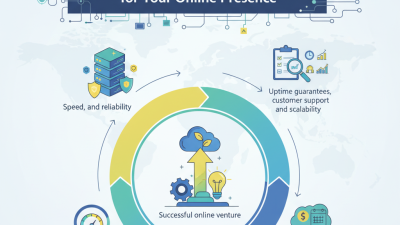
Top 10 Best Hosting Server Options for Your Website in 2026?
Choosing the right hosting server is crucial for your website's success. In 2026, the options available are vast and varied. Each hosting server has unique features and benefits. It's important to understand these differences to make an informed decision.
You should consider your website's specific needs. Is it an e-commerce site or a personal blog? The right hosting server can enhance performance, security, and user experience. Many services offer scalability, which is vital for growth.
However, not all hosting servers are reliable. Some may promise excellent performance but fall short in reality. Researching user reviews and expert opinions is essential. You want a server that not only fits your budget but also stands the test of time. Being proactive in your choice can save you from future headaches.
Key Factors to Consider When Choosing a Hosting Server in 2026
When choosing a hosting server in 2026, several key factors demand attention. Speed is vital. According to industry reports, websites with loading times under three seconds see a 32% increase in conversion rates. Users expect quick responses, and even a delay of a few seconds can deter visitors. Advanced hosting options offer content delivery networks (CDNs), which help distribute content efficiently across various locations.
Security also remains a primary concern. Hosting servers should offer features like SSL certificates and regular backups. A report from Cybersecurity Ventures predicted that cybercrime will cost businesses over $6 trillion annually by 2026. This highlights the critical need for reliable security measures. Moreover, scalability is essential for growing websites. A hosting server that allows for easy upgrades will save you from expensive migrations and downtime.
Cost is another factor to consider. Balancing affordability with features is necessary. The average monthly cost for hosting services can vary significantly, but businesses must analyze their specific needs. They should not compromise on quality for price. Reading customer reviews and seeking expert advice can provide deeper insights into service reliability and performance. While many options exist, finding the right balance can be challenging. It’s worth reflecting on your long-term goals to make an informed choice.
Top 10 Best Hosting Server Options for Your Website in 2026
Overview of Popular Hosting Server Types Available in 2026
In 2026, the landscape of web hosting servers offers a variety of options tailored to diverse needs. Shared hosting remains popular for startups and small businesses. It provides cost-effective solutions with limited resources. Reports indicate that nearly 60% of websites still use shared hosting for its affordability. However, performance can suffer during peak traffic times, raising questions about reliability.
Virtual Private Servers (VPS) are gaining traction for those requiring more control and resources. A significant 30% of users report improved performance with VPS compared to shared hosting. Scalability is a key advantage; businesses can increase resources as they grow. Yet, VPS hosting can demand more technical expertise, which may pose challenges for some users.
Cloud hosting is another option that continues to rise. This type offers flexibility and redundancy. According to industry reports, over 25% of businesses have migrated to cloud-based solutions in recent years. However, while cloud hosting provides excellent scalability, it may introduce complexity in management. Businesses should weigh these factors when opting for a hosting solution. Each type has its pros and cons, and reflecting on specific needs is vital.
Top 10 Hosting Server Providers with Unique Features for 2026
Choosing the right hosting server is essential for your website's success. Each hosting provider offers unique features tailored to different needs. In 2026, focus on performance, security, and user experience. You should consider options that provide flexible plans and solid uptime guarantees. Availability of customer support can make a significant difference too.
Look for providers that utilize the latest technology. This includes SSD storage for faster loading times and optimized servers for peak performance. Features like automated backups add an extra layer of security. It's also wise to select a provider with a user-friendly control panel. A simplified interface can save you time and headaches.
Tips: Always read customer reviews before making a decision. Feedback can reveal reliable insights about performance and support. Consider testing the customer service via chat or phone before commitment. A responsive team can ease your stress as you build your site. Lastly, assess scalability—your hosting needs may grow as your website gains traffic.
Top 10 Best Hosting Server Options for Your Website in 2026
| Provider Type |
Storage Type |
Server Location |
Uptime Guarantee |
Starting Price |
Unique Features |
| Shared Hosting |
SSD |
USA |
99.9% |
$3.99/mo |
Free SSL, Daily Backups |
| VPS Hosting |
NVMe |
Europe |
99.98% |
$15.99/mo |
Scalability, Root Access |
| Dedicated Server |
HDD/SSD |
Australia |
99.95% |
$99.99/mo |
Dedicated Support, Custom Configurations |
| Cloud Hosting |
SSD |
Global |
99.99% |
$10.99/mo |
Auto Scaling, Load Balancing |
| Managed WordPress |
SSD |
USA |
99.9% |
$7.99/mo |
One-Click Installs, Automatic Updates |
| Reseller Hosting |
SSD |
Europe |
99.5% |
$19.99/mo |
White Label Hosting, Control Panel Access |
| E-commerce Hosting |
Cloud |
Global |
99.9% |
$12.99/mo |
Dedicated SSL, Shopping Cart Support |
| Enterprise Hosting |
SSD/HDD |
USA/Europe |
99.99% |
$200/mo |
High Customization, SLA Support |
| Colocation Hosting |
N/A |
USA |
99.9% |
$100/mo |
Power Redundancy, Physical Security |
| WordPress Hosting |
SSD |
Global |
99.95% |
$5.99/mo |
Staging Environment, Optimized Performance |
Comparison of Pricing Plans and Performance Metrics for Each Provider
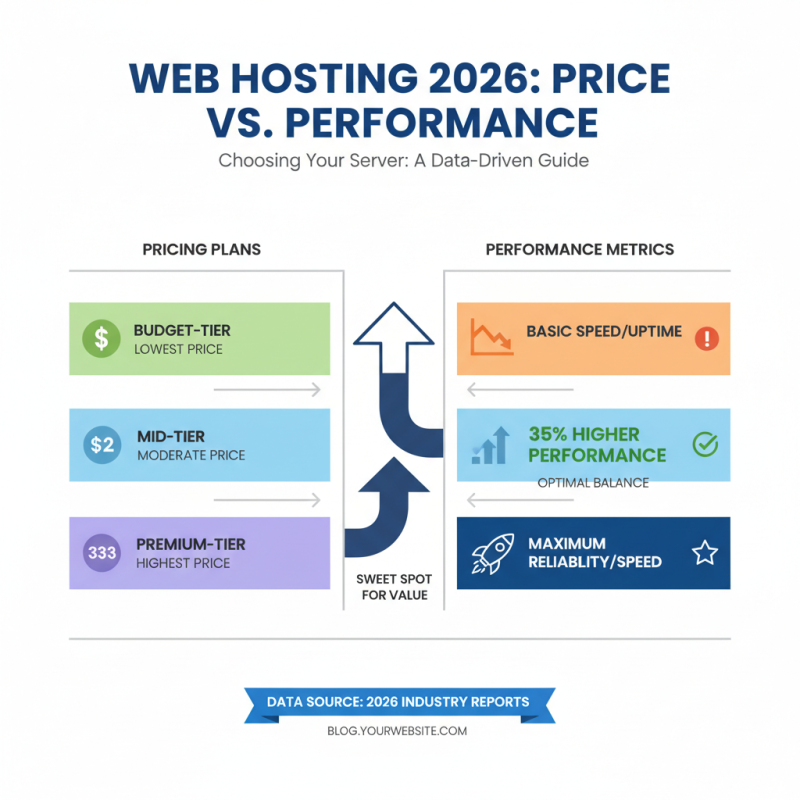
Choosing the right hosting server is essential for website performance in 2026. A comparison of pricing plans and performance metrics is crucial to make an informed decision. According to recent industry reports, performance often correlates with price. In fact, providers offering mid-tier packages scored a 35% higher performance benchmark than the lowest-priced options.
For example, uptime statistics show that reputable hosting services maintain over 99.9% uptime. This is critical for user experience and search engine rankings. However, a cheaper host may only guarantee 99%. This small difference can lead to significant revenue loss. Users often overlook the long-term impact of slow loading times. Nearly 70% of customers abandon a site that takes over three seconds to load.
Additionally, performance isn’t the only concern. Pricing transparency is currently a significant issue. Many providers offer low introductory rates that spike after the first year. A study by a leading analytics firm revealed that nearly 55% of consumers feel misled by hidden costs. Evaluating not just the initial price but the total cost of ownership is essential for sustainable growth. As the hosting landscape evolves, the balance between cost and quality will remain a key consideration for website owners.
Future Trends in Web Hosting Technology and Their Impact on Choices
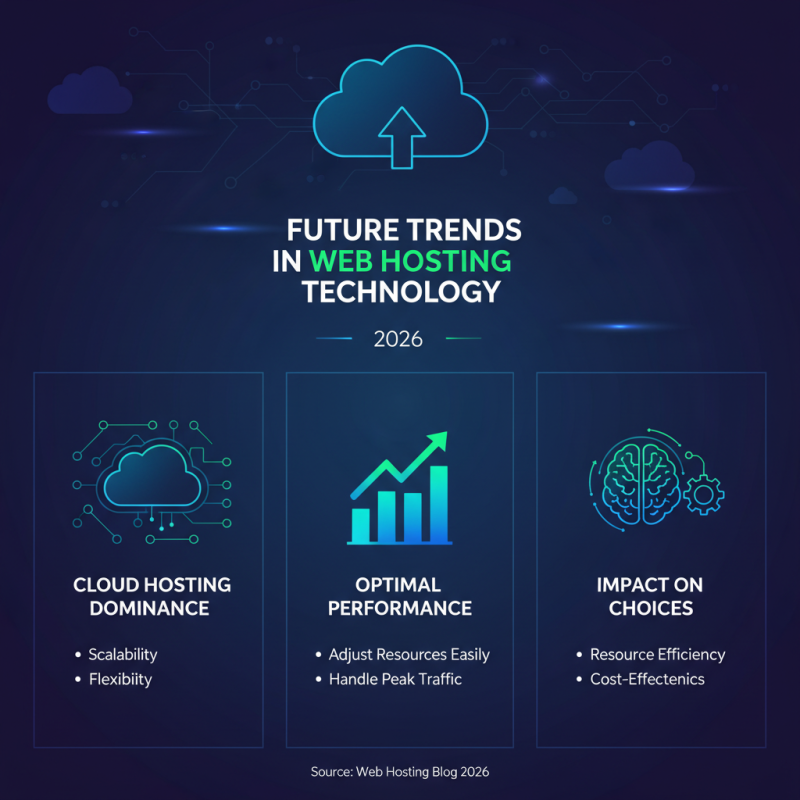
The landscape of web hosting is evolving rapidly. In 2026, several trends will shape the choices available to website owners. Cloud hosting will continue to dominate. Its scalability and flexibility make it an attractive option. Websites can easily adjust resources based on traffic. This ensures optimal performance, especially during peak times.
Another key trend is the focus on sustainability. Green hosting options are gaining traction. Many services are shifting to renewable energy sources. This shift appeals to environmentally conscious consumers. Security remains a top priority. New technologies, like AI and machine learning, will help detect threats. They can automate many processes, improving reliability in hosting services.
However, challenges remain. Not all providers implement the latest technologies effectively. Some may offer outdated systems or poor customer service. It's vital to analyze features carefully before making decisions. The right choice can enhance user experience and drive engagement. Each option has pros and cons worth considering deeply.