2026 Top Web Hosting Options That You Should Consider?
In the digital landscape, choosing the right web hosting provider is crucial for success. Many options exist, each offering unique features and services. Understanding these choices can be overwhelming. You must consider performance, security, and customer support.
Web hosting affects your website's speed and reliability. Slow websites drive visitors away. Security features ensure your data remains safe, while excellent support helps resolve issues promptly. Some providers excel in performance but may lack reliable customer service. This disparity can lead to frustration.
Avoid the pitfalls of settling for subpar services. Research is essential. Check reviews and seek recommendations. A reliable web hosting provider can propel your online presence forward. The right choice impacts not only your site’s functionality but also your reputation in the digital space. Take the time to find a hosting solution that aligns with your needs.
Overview of the Current State of Web Hosting in 2026
In 2026, the web hosting landscape has become incredibly diverse and complex. More businesses and individuals are establishing an online presence. As a result, there is an overwhelming array of hosting options available. Shared hosting remains popular for newcomers, but it often lacks the performance needed for growth. This can lead to frustration when websites slow down or experience outages.
Cloud hosting has gained traction. It offers scalability, which is essential for growing businesses. Users appreciate the flexibility to adjust resources in real-time. However, navigating cloud services can be daunting. Many find themselves overwhelmed by technical jargon and complex interfaces. Dedicated servers are another option. They provide robust performance and security. Yet, the cost remains a significant barrier for many small businesses.
The desire for eco-friendly solutions is rising. Green hosting services attract environmentally conscious users. They often utilize renewable energy sources, which is commendable. However, the reliability of these services can vary significantly. Creating a balance between eco-friendliness and performance remains a challenge. As 2026 unfolds, assessing these options carefully is vital for anyone looking to establish a solid online presence.
2026 Top Web Hosting Options That You Should Consider
| Hosting Type |
Monthly Price |
Uptime |
Storage |
Support |
| Shared Hosting |
$3.99 |
99.9% |
50 GB |
24/7 Live Chat |
| VPS Hosting |
$29.99 |
99.95% |
100 GB |
Phone & Email Support |
| Dedicated Hosting |
$99.99 |
99.99% |
500 GB |
24/7 Premium Support |
| Cloud Hosting |
$15.99 |
99.9% |
200 GB |
24/7 Chat and Email Support |
| WordPress Hosting |
$5.99 |
99.9% |
30 GB |
24/7 Support & Resources |
Key Features to Look for in a Web Hosting Provider
When choosing a web hosting provider, key features can make a significant difference. One vital aspect is uptime reliability. A dependable host should guarantee at least 99.9% uptime. This ensures your website remains accessible. An interruption in service can lead to losses and diminish trust. Look for providers who consistently meet this standard.
Another essential feature is customer support. A responsive support team can address issues quickly. Choose a host that offers 24/7 support through various channels. Timely assistance can resolve technical challenges before they escalate. Additionally, consider the scalability of services. Your website's needs may change over time. A good provider should offer easy upgrade options.
Lastly, examine the security features available. Protection against malware and DDoS attacks is crucial. Regular backups should be included to avoid data loss. While it’s easy to overlook these aspects, they are fundamental to your website’s health. Reflect on your needs carefully and prioritize based on your experience and future plans.
Top Recommended Web Hosting Services for Different Needs
Choosing the right web hosting service can significantly impact your online presence. According to the Hosting Facts 2023 report, nearly 40% of websites use shared hosting services. This option is often budget-friendly and ideal for small businesses. However, the performance may lag during high traffic times. If reliability is crucial for a growing venture, dedicated hosting might be a better choice. While pricier, it guarantees better performance and stability.
For those focused on e-commerce, selecting a provider with robust security features is essential. A report by Cybersecurity Ventures predicts that cybercrime will cost businesses $10.5 trillion annually by 2025. Avoiding vulnerabilities can protect your valuable data and boost customer trust. Look for services offering SSL certificates and frequent backups.
**Tip:** Always read user reviews before making a choice. Real experiences reveal the strengths and weaknesses of hosting options.
Be cautious about unlimited plans. They often come with hidden restrictions. Understand what "unlimited" means for different hosts. You might find yourself facing performance throttles down the line. Balancing budget with features is essential for a sound investment.
2026 Top Web Hosting Options Performance Comparison
Comparative Analysis of Pricing Plans in 2026 Hosting Options
In 2026, the landscape of web hosting options is diverse. Many providers offer various pricing plans that can fit different needs. The average monthly cost for shared hosting ranges from $3 to $10, while VPS hosting can go from $20 to $60. According to industry reports, nearly 35% of small businesses choose shared plans for their lower costs. However, these plans may compromise speed and resources.
On the other hand, dedicated hosting, which caters to larger businesses, typically starts around $100 per month. It's crucial to assess what you really need. Many companies find themselves overpaying for features they seldom use. A recent survey showed that 28% of users feel they do not maximize their hosting features. When selecting a plan, read user reviews. These provide insights into reliability and support efficiency.
It's also worth noting that some hosting services now bundle additional features, like built-in security and SSL certificates. However, not all packages are equal. A significant number of users expressed confusion over terms and conditions, revealing that technical jargon can mislead. Balancing cost and value is essential for informed decision-making in the competitive 2026 hosting market.
Future Trends in Web Hosting Technology and Their Impact on Users
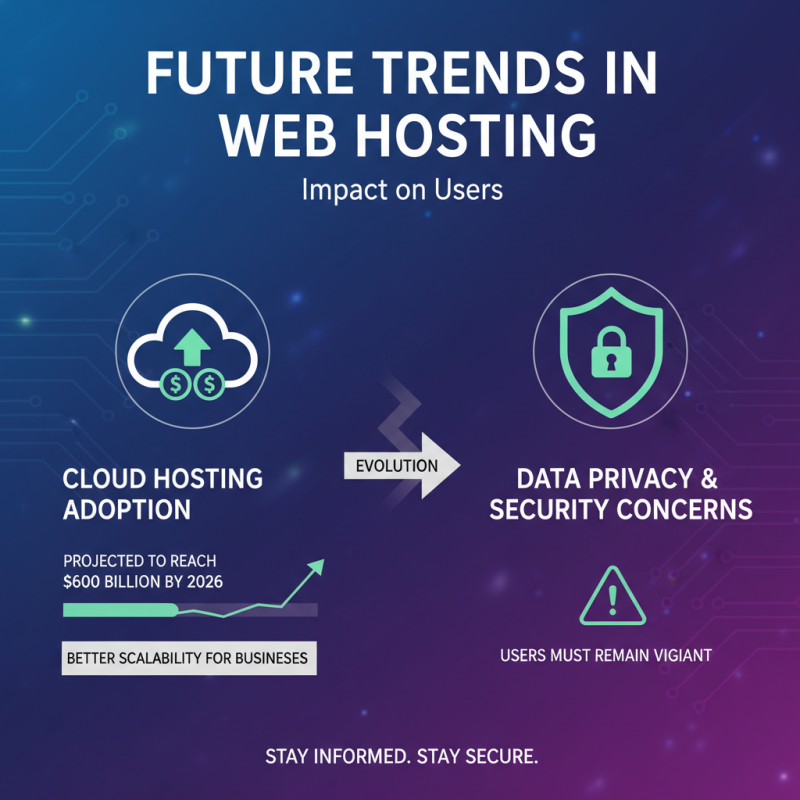
As technology advances, trends in web hosting are evolving. One notable shift is the increasing adoption of cloud hosting. According to a recent industry report, cloud services are projected to reach $600 billion by 2026. This trend offers better scalability for businesses. However, it also raises concerns about data privacy and security. Users must remain vigilant.
Another significant development is the rise of artificial intelligence in web hosting. AI can optimize server management and enhance customer support. A survey indicated that 70% of businesses are investing in AI to improve operational efficiency. While this can lead to faster services, it may also leave some users uneasy about automated systems taking over personal interactions.
Sustainability is also gaining attention. Hosting providers are now focused on eco-friendly practices. Reports suggest that green hosting solutions are set to grow by 50% in the next three years. Users might appreciate the environmentally conscious shift, yet they may question the effectiveness of these initiatives. With these trends in mind, the web hosting landscape is poised for change, presenting both opportunities and challenges.