Why Choose Shared Hosting for Your Business Website?
In the competitive landscape of online business, the choice of hosting can make a significant difference. Shared hosting often stands out as a viable option for entrepreneurs and small to medium-sized enterprises. Expert in web hosting, John Smith, emphasizes that “shared hosting provides an excellent balance of cost and performance for many businesses.” This reflects the reality for many companies looking to establish their online presence without breaking the bank.
Shared hosting allows multiple websites to share the same server resources. This results in lower costs, which is especially beneficial for startups. However, it can lead to challenges with site speed and performance during peak traffic times. Despite this, shared hosting remains appealing due to its user-friendly setup and maintenance.
Choosing shared hosting isn’t without its drawbacks. Limited resources can sometimes hinder growth. Yet for many, the benefits outweigh these challenges. With the right provider, businesses can leverage shared hosting as a stepping stone towards a robust online presence.

Understanding Shared Hosting: A Basic Overview
Shared hosting offers a practical solution for businesses looking to establish an online presence. With shared hosting, multiple websites reside on a single server. This arrangement keeps costs low, making it an attractive option for startups and small enterprises. The server resources are shared, which can lead to slower performance during high traffic, a point to consider.
When choosing shared hosting, evaluate your needs carefully. Analyze the expected traffic, as high visitor numbers can strain shared resources. It's essential to look for hosting providers that offer good uptime and customer support. These factors significantly impact user experience.
Tips: Always check reviews before selecting a provider. Research the bandwidth and storage details for the plan you choose. Be mindful that while shared hosting is budget-friendly, it may not be ideal for websites with heavy traffic or complex applications. Your site's speed and reliability can suffer under shared conditions.
Key Benefits of Shared Hosting for Small Businesses
Choosing shared hosting can be a game-changer for small businesses. It offers an affordable entry point for those looking to establish an online presence. A study from HostingAdvice indicates that over 70% of small businesses opt for shared hosting due to its low monthly costs. This allows startups to allocate their resources to areas that matter most, like marketing and product development.
Shared hosting means resources are shared among multiple users. While this leads to savings, it can also create potential slowdowns during peak traffic. However, many providers today optimize speed and reliability, making this less of an issue. According to a report from WP Engine, more than 60% of shared hosting customers see improvements in their site load times after switching to optimized shared services.
Many small business owners appreciate the simplicity of shared hosting. Setup can be completed in minutes with user-friendly platforms. Support is often available 24/7. Yet, choosing the right provider is crucial. Some hosts may lack essential features, such as backups or security measures. This can leave businesses vulnerable. Making informed choices ensures that shared hosting remains a viable, effective solution for growing a digital footprint.
Why Choose Shared Hosting for Your Business Website?
The chart below illustrates the key benefits of shared hosting for small businesses. The data reflects the percentage of small businesses that prioritize various features when selecting a shared hosting service.
Cost-Effectiveness: Why Shared Hosting Fits Your Budget
Shared hosting is an excellent choice for budget-conscious businesses. Many small companies start with limited funds. Shared hosting allows them to create a professional online presence without excessive spending. This style of hosting divides server resources among multiple users, providing an affordable solution. Monthly costs are significantly lower than dedicated hosting.
Choosing shared hosting can be a double-edged sword. While it is cost-effective, you may face some limitations. Shared resources could lead to slower website loading times during peak hours. However, for many startups and small businesses, this trade-off is manageable. Balancing performance and cost is vital.
Consider the essential features offered in shared plans. Many include user-friendly interfaces and essential tools for beginners. However, the technical support may not always meet your expectations. Assessing your business’s growth plans is also important. If you're likely to scale quickly, shared hosting may require upgrades sooner than you’d prefer.
Performance and Scalability Considerations in Shared Hosting
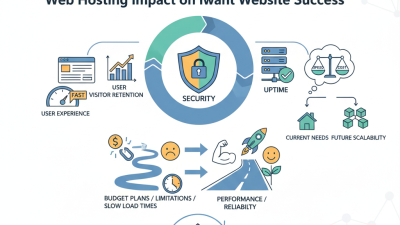
Shared hosting is often a go-to choice for small businesses. It offers a cost-effective solution for web presence. Yet, when it comes to performance and scalability, careful consideration is paramount. A report from HostingAdvice found that nearly 70% of small business sites are hosted on shared servers. This reflects both its accessibility and inherent limitations.
Performance can be a double-edged sword with shared hosting. While initial costs are low, speeds may fluctuate. The same report indicates that 40% of users report slower load times during peak hours. This can negatively affect user experience and SEO rankings. Businesses relying on shared hosting should monitor site performance continually. Tools like Google PageSpeed Insights can help assess load times.
Scalability poses another challenge. As demand grows, shared hosting may not suffice. Many users find themselves constrained by resource limitations. A study by W3Techs shows that around 53% of websites remain on shared plans even as traffic increases. This raises concerns about whether such limitations hinder growth as online demands evolve. Understanding these aspects ensures businesses make informed choices about their hosting needs.
Selecting the Right Shared Hosting Provider for Your Needs
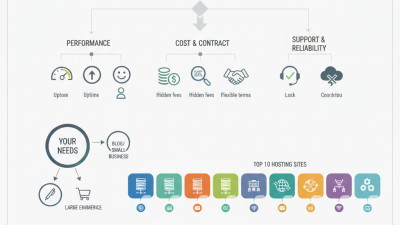
Choosing a shared hosting provider requires careful consideration. Your provider can impact your website's performance and reliability. An essential factor is uptime guarantees. Look for providers offering at least 99.9% uptime. This ensures your website remains accessible to users.
Tip: Read user reviews to gauge customer satisfaction. Real-world experiences can reveal potential issues. Check the support options available. Timely customer service can be a lifesaver during technical difficulties.
Consider the scalability of your hosting plan. As your business grows, your website's needs may change. Ensure the provider offers easy upgrade options. This flexibility allows you to adapt without significant disruptions.
Tip: Test customer support before deciding. Ask questions to see how quickly they respond. A knowledgeable and helpful team can make a difference when issues arise. This kind of proactive approach helps avoid future regrets.