What is Domain Hosting and Why Do You Need It?
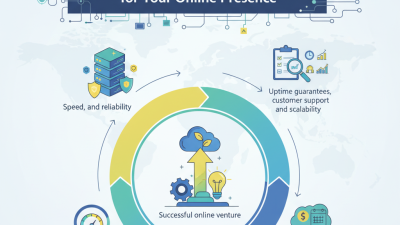
In today's digital landscape, understanding domain hosting is crucial for anyone looking to establish an online presence. Domain hosting refers to the service that enables individuals and businesses to make their websites accessible on the Internet. Without reliable domain hosting, your online efforts can quickly fall flat.
When you register a domain name, that name needs a host to provide the necessary infrastructure. Good domain hosting ensures that your website is accessible, fast, and secure. This directly impacts user experience and search engine rankings. Many people overlook these aspects, leading to poor website performance.
Choosing the right domain hosting can be overwhelming. There are numerous providers, each with different features and pricing models. It's essential to evaluate your needs carefully. What works for one business may not work for another. Embracing domain hosting is not just a decision. It's a cornerstone of your online strategy that deserves thoughtful consideration.

What is Domain Hosting? An Overview of Key Concepts
Domain hosting refers to the services that allow you to store your website's files and make them accessible online. When you register a domain, you need hosting to connect it to the web. Without hosting, your website remains invisible. This is a crucial step for anyone looking to create an online presence.
There are different types of domain hosting. Shared hosting is common for beginners, while dedicated hosting offers more power for larger sites. Cloud hosting is gaining popularity due to its flexibility. Each option has its pros and cons. Choosing the wrong type can lead to slow performance or potential downtime. This can frustrate users and damage your site's reputation.
Understanding your hosting needs is essential. Consider your website's purpose, expected traffic, and the technical skills required. Some users may choose beginner-friendly options but later find them limiting. Others might choose complex setups they cannot manage. Reflect on your goals and capacity to avoid future challenges. Domain hosting is foundational for success in the digital world.
The Importance of Domain Hosting in Establishing an Online Presence
Domain hosting is crucial for establishing an online presence. It allows individuals and businesses to have a space on the internet. When you register a domain, it becomes your online address. This is how potential customers find you. Without domain hosting, your website cannot exist.
Having a reliable domain hosting service boosts your credibility. It lends authority, making visitors more likely to trust your site. Your website reflects your brand. If it looks unprofessional, visitors may leave quickly. A well-hosted domain can enhance user experience and encourage engagement.
Yet, not all domain hosting services are equal. Some may promise the world but deliver slow speeds. This can hinder your ability to attract and retain visitors. Research is necessary to find the right fit. Consider reliability, support, and speed carefully. Without appropriate hosting, even the best content might go unnoticed.
Types of Domain Hosting Services: Shared, VPS, and Dedicated Options
When it comes to domain hosting, understanding the types available is crucial. Shared hosting is the most common choice. It offers cost efficiency but can lead to performance issues. With multiple websites sharing the same server, bandwidth can be limited. According to a report by Hosting Tribunal, shared hosting accounts for nearly 70% of the entire hosting market. This option suits smaller websites with low traffic. However, be aware that security risks may increase in this environment.
VPS hosting serves as a middle ground between shared and dedicated options. It provides more control and resources compared to shared hosting. A study by Statista shows that the VPS market is projected to reach $5 billion by 2024. This growth indicates its rising popularity among businesses needing better performance. VPS allows users to install their software and manage server resources flexibly. However, it demands a learning curve, making it unsuitable for some beginners.
Dedicated hosting is the top-tier option for serious websites. It provides a single server exclusively for one user. This setup offers maximum control, security, and performance. The downside lies in the higher cost and need for technical management. It's not uncommon for users to feel overwhelmed when transitioning to a dedicated server. Yet, for high-traffic websites, the investment can pay off significantly. The choice between these hosting types should reflect your website's needs and growth potential.
Types of Domain Hosting Services Compared
Statistics on Website Performance: How Hosting Affects Load Times
When analyzing website performance, load times are critical. Research shows that slower websites lead to higher bounce rates. A delay of just one second can reduce conversions by 7%. This highlights the necessity of quality domain hosting. Reliable servers can significantly enhance loading speed.
Tips: Choose a hosting provider that emphasizes speed. Look for a service with solid uptime and fast response times. Testing your website’s speed regularly is vital.
Website hosting affects performance in various ways. Poor hosting can result in downtime and sluggishness. Users expect quick loading times. A reliable hosting plan can improve user experience. Invest in a good plan to avoid pitfalls.
Tips: Consider scaling your hosting as your traffic grows. Don’t hesitate to switch providers if your current one is lacking. Always monitor your website’s performance closely.
Choosing the Right Domain Hosting Provider: Key Factors to Consider
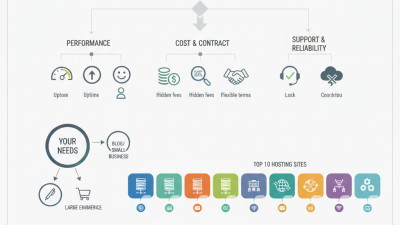
When selecting a domain hosting provider, several key factors play a crucial role. Speed is paramount. Research indicates that 47% of internet users expect a webpage to load in two seconds or less. If it takes longer, they may leave. This underscores the need for a host that guarantees optimal loading times.
Security features cannot be overlooked. A survey by Cybersecurity Ventures predicts that cybercrime will cost the world $10.5 trillion annually by 2025. Choosing a provider that prioritizes security measures, such as DDoS protection and SSL certificates, helps safeguard your website from potential threats.
**Tips:** Always read reviews and testimonials. This helps gauge user satisfaction. Look for transparency in pricing and policies. Hidden fees can impact your budget.
Also, consider customer support. According to a study, 70% of consumers prefer providers that offer 24/7 assistance. Responsive support can be a lifesaver during critical moments. Ensure the provider has multiple contact options, such as chat, email, or phone.
**Tips:** Reach out with questions before buying. A quick response often reflects a provider’s overall reliability.
In sum, the right hosting choice impacts performance, security, and support. Assess these aspects carefully for optimal site success.
What is Domain Hosting and Why Do You Need It? - Choosing the Right Domain Hosting Provider: Key Factors to Consider
| Feature |
Description |
Importance |
| Uptime Guarantee |
Percentage of time the service is operational and accessible. |
High uptime ensures websites are always accessible. |
| Customer Support |
Availability of support via chat, email, or phone. |
Essential for resolving issues quickly if they arise. |
| Pricing |
Cost of hosting packages and renewal fees. |
Influences overall budget and long-term investment. |
| Storage Space |
Amount of disk space provided for your website’s files. |
Crucial for hosting content without running out of space. |
| Bandwidth |
Data transfer limit for your website traffic. |
Limits site performance based on the amount of traffic. |
| Backup Solutions |
Frequency and reliability of backups for your data. |
Protects against data loss in emergencies. |
| Security Features |
SSL certificates, firewalls, and malware protection. |
Enhances protection against cyber threats. |
| Scalability |
Ability to upgrade resources as your site grows. |
Ensures that the hosting can grow with your needs. |