How to Choose the Best Hosting Plans for Your Business?

Choosing the right hosting plans is crucial for your business's online success. A reliable hosting provider ensures that your website runs smoothly. This impacts user experience and is vital for maintaining professionalism. Different businesses have varying needs, which makes selecting a plan challenging.

Understanding your business goals is essential. Do you need a basic plan or something more robust? Startups might choose budget-friendly options. On the other hand, growing enterprises may require advanced features and support. Keep in mind that not all hosting plans offer the same reliability or speed.

As you evaluate options, consider scalability. You might not need extensive features today, but future growth may demand them. Read reviews to gauge credibility and customer service experiences. Choosing the wrong hosting plan can lead to downtime and lost revenue. Reflect on your choices and avoid common pitfalls. Your website deserves the best foundation.

How to Choose the Best Hosting Plans for Your Business?

Understanding Different Types of Hosting Plans Available for Businesses

When selecting a hosting plan for your business, it’s crucial to understand the various types of options available. Shared hosting is often the most cost-effective choice for startups. However, it comes with limitations on resources and speed, which can affect user experience. According to a report from Netcraft, over 38% of websites are running on shared hosting plans, illustrating its popularity among smaller companies. This setup may not be suitable for high-traffic sites, where performance issues can arise.

Dedicated servers provide greater control and reliability. They are often preferred by businesses that require robust security measures and high performance. While this option is more expensive, it can lead to better uptime and faster loading times. Research by the Hosting Tribunal indicates that sites experience a 20% increase in speed with dedicated servers, enhancing user satisfaction. A dedicated plan typically suits e-commerce platforms, which rely heavily on smooth operations.

Consider your budget and business needs before making a decision. If your startup is growing, a scalable option like VPS (Virtual Private Server) hosting can be ideal. It offers dedicated resources while still being more affordable than a dedicated server. This choice can prepare you for future expansion without overspending upfront. Remember to assess the customer support offered by hosting providers; timely assistance can make a significant difference when issues arise.

How to Choose the Best Hosting Plans for Your Business?

Hosting Type Description Pros Cons Price Range
Shared Hosting Multiple websites share a single server's resources. Cost-effective, easy to manage, perfect for small websites. Limited resources, slower speeds, security risks. $2 - $10 per month
VPS Hosting Virtual private server allows for more control and resources. Dedicated resources, more control, better performance. More expensive than shared, requires some technical expertise. $20 - $100 per month
Dedicated Hosting Complete server allocated to a single user or business. Full control, high performance, enhanced security. Expensive, requires technical knowledge for management. $80 - $300 per month
Cloud Hosting Multiple servers work together to host websites, providing scalability. Scalable, reliable, cost-effective with pay-as-you-go options. Variable costs, potential complexity in management. $10 - $100+ per month
Managed Hosting Hosting service where the provider manages the server. Less technical management required, peace of mind. Higher price, reliance on provider. $50 - $200 per month

Key Factors to Consider When Choosing a Hosting Provider

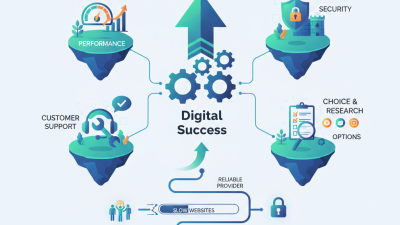
When selecting a hosting provider, exploring several key factors is essential. First, assess the level of customer support offered. High-quality support can save time and stress. Look for providers with various contact methods—live chat, email, or phone. A quick response time often indicates a reliable service.

Consider scalability. Your business may grow over time, so the chosen host should accommodate this. Evaluate if the plans allow for easy upgrades. A flexible hosting solution will support your needs as they evolve. It’s crucial to choose a provider that can adapt alongside your business.

Security features should not be overlooked. Opt for hosting plans that include SSL certificates and regular backups. These elements help protect sensitive data. If your hosting provider lacks strong security protocols, it may not be the best choice. Review user experiences to gauge overall reliability and trustworthiness before making a decision.

Analyzing Your Business Needs for Optimal Hosting Plan Selection

Choosing the right hosting plan requires a thorough understanding of your business needs. A recent survey indicated that 70% of small businesses cite website performance as critical to their overall success. If your site lags or crashes, customer trust diminishes. Knowing your traffic volume is essential. For instance, a website with 10,000 monthly visitors will require different resources than one with 100,000.

Consider storage and bandwidth requirements. For e-commerce, having adequate bandwidth can support smoother transactions, as 40% of users abandon a site that takes more than three seconds to load. Assess the type of content you will host. If you plan to deliver high-definition video, ensure your plan accommodates that. That said, always plan for future growth. A hosting service that meets your needs today may not suffice tomorrow.

Evaluate customer support options. Businesses often overlook this, yet having 24/7 support can save time and resources. Even the best hosting services can face outages. Hence, being able to resolve issues quickly matters greatly. Review user testimonials or industry reports to gauge reliability. Some customers may experience issues that reflect on a hosting provider’s performance, so take those into account.

Choosing wisely today can save you a headache tomorrow.

Analysis of Hosting Plan Requirements for Businesses

Evaluating Performance, Speed, and Reliability in Hosting Options

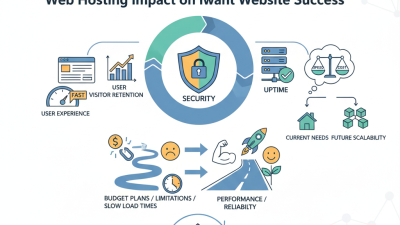
When selecting a hosting plan, performance, speed, and reliability are crucial factors. Studies indicate that a site’s speed can impact user experience significantly. Research shows that just a one-second delay in page load time can reduce conversions by up to 20%. This means that slow hosting directly influences potential revenue.

Reliability is equally important. An uptime percentage of 99.9% is often considered the gold standard. However, many hosting providers fail to meet this benchmark. Frequent downtimes can harm your business's reputation and customer trust. Tracking these metrics should be a priority when evaluating options.

Performance can be affected by various variables. Server location and content delivery networks (CDNs) play roles in latency and speed. However, not all businesses fully understand these tech aspects, leading to suboptimal choices. Investing time in research will pay off. Your website's functionality hinges on informed decisions about hosting solutions.

Cost Considerations and Budgeting for Business Hosting Plans

When selecting a hosting plan for your business, cost is a pivotal factor. Start by assessing your budget. A common mistake is underestimating the total costs involved. Hosting fees are just one aspect; consider domain registration, SSL certificates, and potential upgrade costs. Additionally, think about how your needs might evolve. A cheaper plan may seem appealing today. However, if your business grows, you may face migration fees later.

Evaluate the features included in each plan. Look for storage limits, bandwidth, and customer support. You might find that some providers offer lower initial prices but lack essential support. That could lead to disruptions in your business operations. A hosting plan that appears affordable can become expensive if you frequently need technical help or if downtime affects your revenue.

Reflect on your business goals. Long-term sustainability should drive your decisions. It can be tempting to choose the least expensive option. However, consider what might happen if performance issues arise. You may end up paying more in lost sales and reduced customer satisfaction. Balancing cost with quality is crucial to ensuring reliable service. Don't just look for basic features; weigh the potential return on investment carefully.