Top Domains and Web Hosting Services for Your Website Needs?
When building an online presence, selecting the right domain and web hosting is crucial. Recent studies from the Hosting Report indicated that 70% of consumers trust brands with an established online presence. Your choice of domain can influence both credibility and SEO rankings. A memorable domain name can increase traffic by up to 40%, according to various industry analyses.
In the web hosting arena, performance can significantly affect user experience. Fast loading times can improve conversion rates by 7%, as reported by Web Performance Metrics. However, many businesses overlook this aspect, leading to potential revenue losses. The hosting industry offers various options, from shared hosting to dedicated servers, each with its own benefits and pitfalls.
Choosing the right domain and web hosting service requires careful consideration. Many users find themselves overwhelmed by the myriad of options available. It's essential to reflect on the long-term impact of these decisions, ensuring that the chosen services align with both current and future needs. Your domain and web hosting choices can make or break your online venture.

Types of Domains: Understanding Different Domain Extensions
Domain extensions come in various types, each serving distinct purposes. The most common are .com, .org, and .net. According to recent industry reports, approximately 47% of all registered domains use .com. This extension is often favored by businesses and e-commerce sites due to its universal recognition. However, a rising trend shows interest in .io and .ai extensions, especially among tech startups. About 8% of new registrations now utilize these innovations, reflecting the industry's shift toward niche branding.
Country code top-level domains (ccTLDs) are also significant. For instance, .uk and .de are popular in the UK and Germany. Using a ccTLD can enhance local credibility. Yet, a consideration arises: relying solely on ccTLDs may limit international reach. It's crucial to evaluate target audiences when choosing a domain extension. Some reports indicate that 60% of users prefer websites with familiar endings.
As the domain landscape evolves, new extensions, including .xyz and .app, have emerged. They offer unique branding opportunities but may confuse users. The challenge lies in balancing creativity with clarity in domain names. Finding the right domain extension isn’t just about availability—it’s about reflecting your brand’s identity effectively.
Key Features to Consider When Choosing a Web Hosting Service
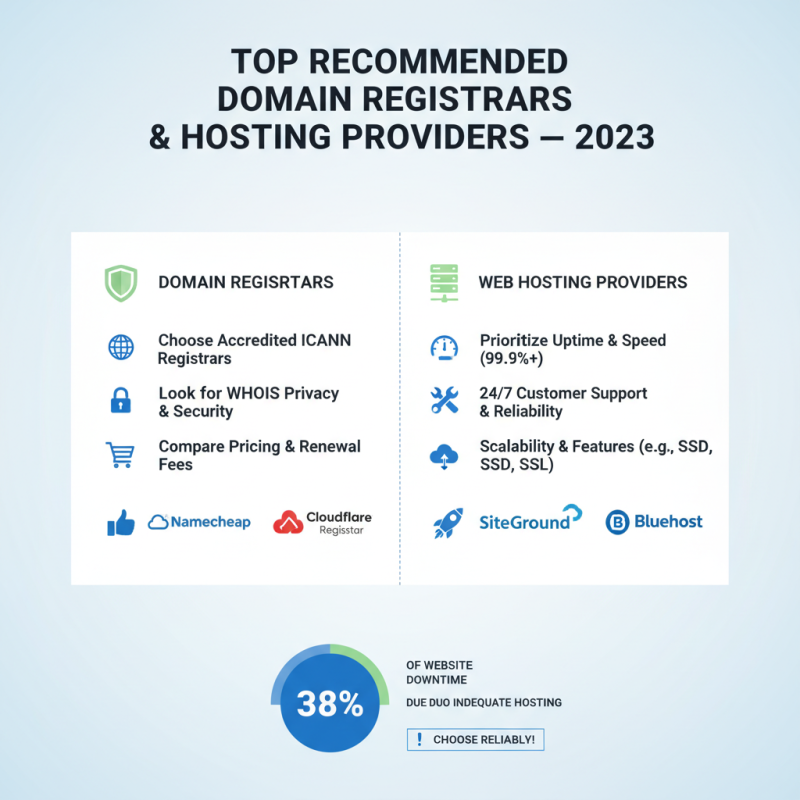
When choosing a web hosting service, several key features should be prioritized. Reliability is crucial; ensure the provider offers a strong uptime guarantee. This ensures your website remains accessible and functions smoothly. Downtime can lead to loss of visitors and revenue. Look for a host that provides at least 99.9% uptime.
Security is another essential feature. A reliable hosting service should offer robust security measures, such as SSL certificates and daily backups. These features safeguard your data and enhance customer trust. Additionally, consider the scalability of the service. As your website grows, you may need more resources. Choose a provider that allows easy upgrades without significant downtime.
Customer support is an often underestimated aspect. Support should be available 24/7, ready to assist with any issues. A knowledgeable support team can make a significant difference during crises. Monitor user reviews and testimonials carefully; they can provide insights into the real-world performance of the hosting service. Remember, not every service is perfect. Some may excel in speed but lack in customer service. Balancing these elements is key to a suitable choice.
Top Domains and Web Hosting Services for Your Website Needs
| Feature |
Domain Hosting Provider 1 |
Domain Hosting Provider 2 |
Domain Hosting Provider 3 |
| Storage Space |
50 GB |
100 GB |
Unlimited |
| Bandwidth |
500 GB |
1 TB |
Unlimited |
| Uptime Guarantee |
99.9% |
99.95% |
99.9% |
| Free SSL Certificate |
Yes |
Yes |
Yes |
| 24/7 Support |
Yes |
Yes |
Yes |
| Free Domain Registration |
First Year |
Included |
One Year |
| Backup Services |
Weekly |
Daily |
Weekly |
Comparing Shared, VPS, and Dedicated Hosting Plans
Choosing the right hosting plan for your website can be overwhelming. Understanding the differences between shared, VPS, and dedicated hosting is crucial for your decision.
Shared hosting is the most economical option. You share server resources with other websites. It’s great for small projects but can slow down your site during high traffic. According to industry reports, nearly 70% of websites use shared hosting. However, you may experience downtime or slow loading times.
VPS hosting provides a balance between shared and dedicated options. It offers dedicated resources within a shared environment. This is ideal for growing websites. You have more control and can customize your environment. Reports indicate that VPS hosting costs about 20% more than shared hosting and can enhance performance significantly.
Dedicated hosting gives you an entire server. This option is best for large businesses. It offers maximum performance and security. However, it comes with a higher price tag. Recent data shows that about 20% of businesses choose dedicated hosting for their high traffic and resource needs.
Tips: Always assess your website's needs. Expect to grow, so choose a plan that allows upgrades. Monitor your website's performance regularly to ensure it meets your audience's expectations. Consider the technical support offered by the hosting provider.
Evaluating Performance: Uptime, Speed, and Customer Support
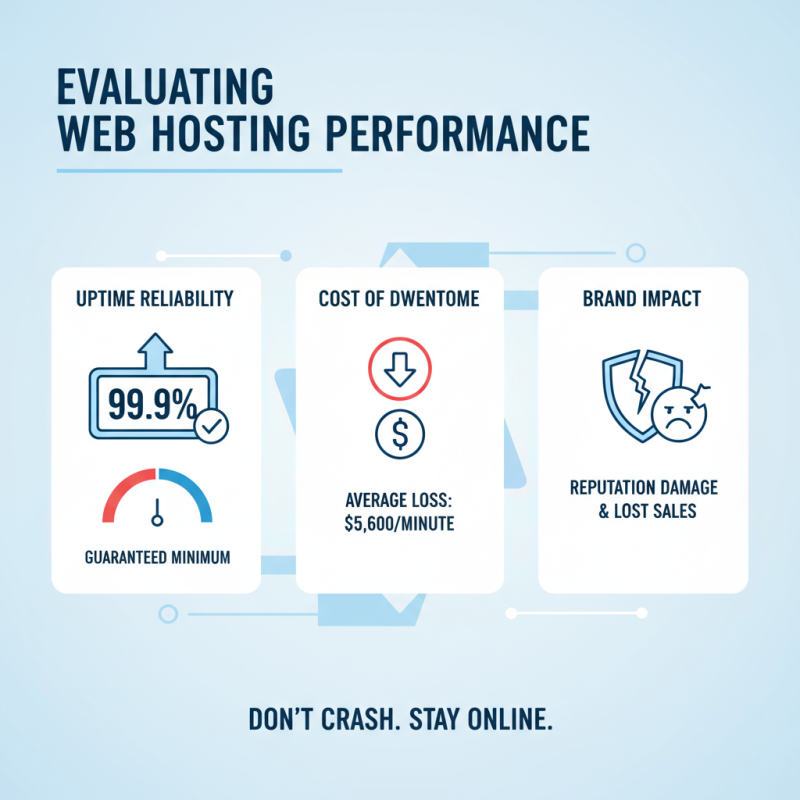
When evaluating web hosting services, uptime is critical. A good host should guarantee at least 99.9% uptime. A recent survey revealed that companies suffering from downtime can lose an average of $5,600 per minute. This stark figure underscores the importance of reliability. Consider this: if your site crashes, not only do you lose potential sales, but you also risk damaging your brand's reputation.
Speed is another vital factor. Research indicates that a one-second delay in page load time can reduce conversions by 7%. Websites must load quickly to retain visitors. Optimizing performance is key. Yet, some services promise fast speeds but fail to deliver. To ensure your choice is optimal, look for third-party benchmarks. Metrics like server response time and average load times can provide insight into real performance.
Customer support also plays a crucial role in web hosting. Around 89% of consumers switch to competitors after a poor service experience. Selecting a provider with 24/7 support can mitigate issues swiftly. However, some hosting services may tout support, but their response times can be sluggish. Checking customer reviews and expert ratings helps to discern the true quality of support. In the end, careful evaluation of these factors can lead to informed decisions.