Why Choosing the Best Web Hosting Matters for Your Business?
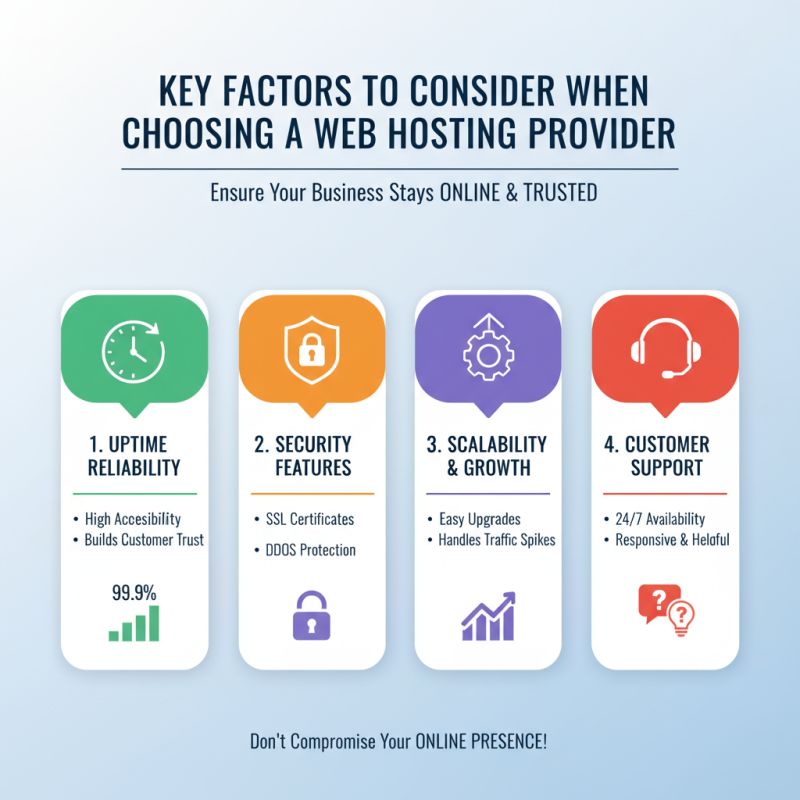
In today's digital age, choosing top web hosting is crucial for business success. A reliable hosting provider acts as the foundation for your online presence. It influences website speed, uptime, and security. When customers encounter technical issues, they may quickly lose trust in your brand.
Many entrepreneurs underestimate the impact of web hosting. They assume all providers offer the same service. However, the wrong choice can lead to frustrating downtime and slow load times. Such experiences can drive potential customers away. Thus, selecting the best hosting solution is vital for enhancing user experience.
Moreover, top web hosting includes support and scalability. Businesses are often unaware of their growth potential. Choosing a host that can grow with your business saves you from future headaches. It's important to reflect on how this decision will shape your company's digital journey.
Understanding the Importance of Web Hosting for Business Growth
Web hosting plays a crucial role in your business growth. A reliable host ensures your website runs smoothly. If your site is slow or often down, customers will leave. A solid hosting choice keeps your online presence steady. This leads to trust and loyalty among your users.
Efficiency and performance matter. A good host provides excellent speed and uptime. When potential clients experience delays, they feel frustrated. You've invested time and money, so it is vital to choose wisely. A reliable service protects your brand’s reputation. It can be challenging to find the perfect provider. Research is necessary to ensure they meet your needs.
Security is another important aspect. A vulnerable site can be easily hacked. This can lead to data loss and customer distrust. Your web host should offer robust security measures. However, not all services are equal. Some may lack the necessary updates or support. Evaluate your options carefully before deciding. Taking the time can save you headaches in the long run.
Types of Web Hosting Services and Their Impact on Your Business
Choosing the right web hosting service is crucial for businesses. The various types of hosting—shared, VPS, dedicated, and cloud—can significantly influence site performance and growth potential. According to a report by Statista, businesses lose about 23% of customers due to website downtime. This highlights the importance of selecting a reliable hosting provider that can ensure uptime and performance.
Shared hosting is often more affordable but can lead to slower load times and limited resources. A study from Pingdom indicated that a one-second delay in page load time can decrease conversions by up to 7%. On the other hand, dedicated hosting provides more control and faster speeds, but it comes at a higher cost. Many startups struggle with these choices, often opting for cheaper plans that compromise reliability.
Cloud hosting offers scalability and flexibility, catering to fluctuating traffic demands. A survey from Cloudflare shows that 94% of businesses report performance improvements when switching to cloud solutions. However, moving to the cloud may also introduce complexities that require careful planning. It’s essential for businesses to reflect on their specific needs and budget constraints to make informed hosting decisions.
Balancing cost versus performance can be challenging, yet it’s a pivotal factor for long-term success.
The Role of Performance and Reliability in Web Hosting Choices
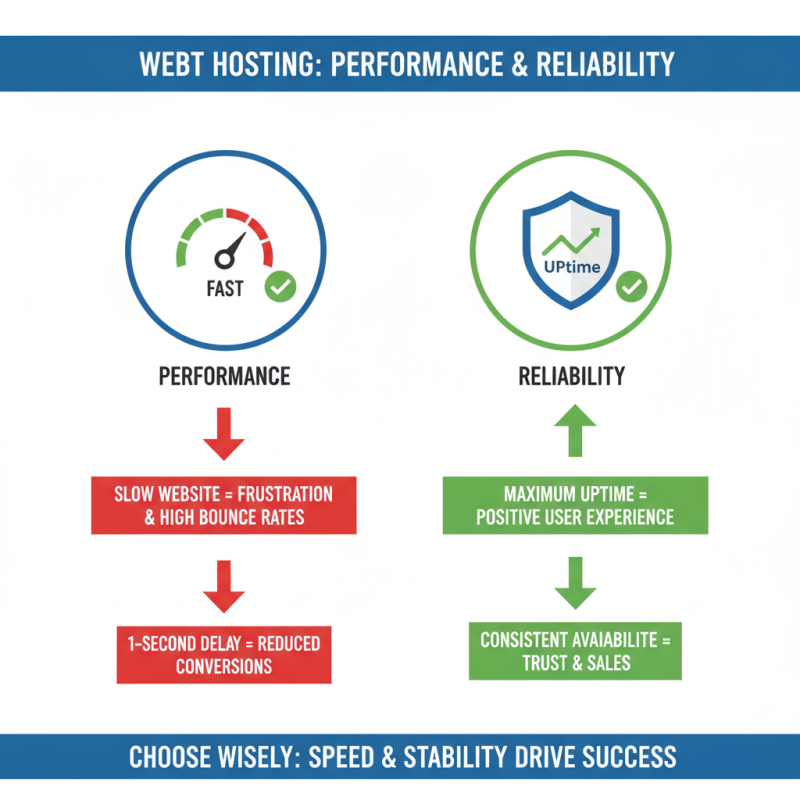
When it comes to web hosting, performance and reliability define the user experience. A slow website can frustrate visitors, leading to increased bounce rates. If your site takes too long to load, potential customers might leave before they even see what you offer. Research indicates that just a one-second delay can significantly impact conversions.
Reliability also plays a crucial role in web hosting. Downtime means lost traffic and revenue. You need a hosting provider that guarantees minimal downtime and swift recovery in case of issues. A trustworthy hosting service should have robust backup systems and clear communication protocols. Regular outages indicate underlying problems that can deter customers.
Many businesses overlook these aspects. They might choose based solely on price or promotional offers. Yet, choosing the wrong hosting solution could lead to ongoing frustrations. It’s vital to assess specific needs and expectations. Balancing cost with strong performance and reliability is not always easy, but careful consideration will pay off.
Cost-Benefit Analysis of Different Web Hosting Options for Businesses
Choosing the right web hosting is critical for business success. A thorough cost-benefit analysis reveals the significance of various hosting options. For example, shared hosting often seems cheaper, but can lead to slower site speeds. According to a study by Load Impact, 47% of users expect a website to load in under two seconds. Delays can increase bounce rates, resulting in lost sales.
Dedicated hosting, while more expensive, offers better performance and security. A report from Statista shows that 39% of consumers will stop engaging with a website if images take more than three seconds to load. Therefore, investing in reliable hosting can enhance user experience and conversion rates.
**Tip:** Always evaluate your current needs. Most businesses underestimate future growth. Choose a provider that offers scalable solutions.
Reviewing various options reveals that VPS hosting provides a middle ground. It offers dedicated resources at a lower cost than dedicated hosting. However, it may still not meet all performance expectations, especially during traffic spikes.
**Tip:** Monitor your website traffic regularly. This will help you identify when it's time to upgrade your hosting plan. Understanding these dynamics can help you make informed decisions that align with your business goals.
Cost-Benefit Analysis of Different Web Hosting Options
This chart compares the monthly costs and features of different web hosting options, illustrating the trade-offs between price and performance for businesses looking to choose the right web hosting service.